
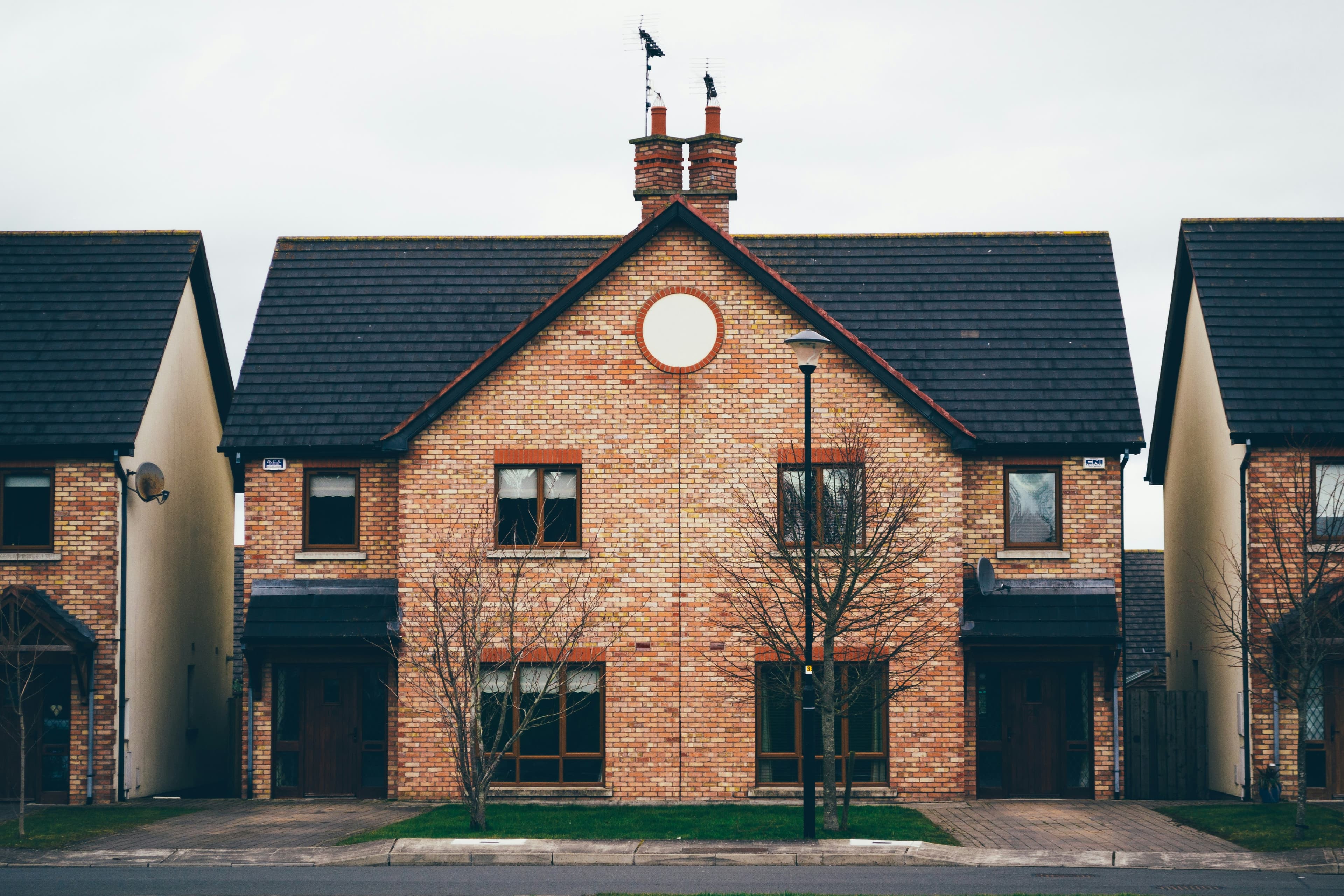

Most homebuyers spend weeks evaluating the house itself.
They compare kitchens, count bedrooms, review listing photos, inspect basements, and obsess over mortgage rates.
Then they spend the next 10 years living in the neighborhood.
The reality is simple: the neighborhood often has a bigger impact on your daily life than the home itself. A beautiful house in the wrong location can become a constant source of frustration. A good house in the right neighborhood can feel like one of the best decisions you will ever make.
So how do you evaluate a neighborhood before buying a home?
You need to look beyond the listing description, the showing, and the first impression. You need to understand how the neighborhood will actually fit your life after move-in day.
Here is what smart buyers look for before making an offer.
When you tour a home, it is easy to focus on the property.
You notice the kitchen, layout, bedrooms, finishes, yard, basement, and natural light. Those details matter. But your neighborhood shapes the life around the house.
The neighborhood affects:
- Your commute
- Your routines
- Your access to schools, shops, parks, and services
- Your noise levels
- Your sense of community
- Your long-term resale potential
- Your day-to-day happiness
That is why evaluating a neighborhood before buying a home is not a small side task. It is one of the most important parts of the buying decision.
Start With Your Actual Lifestyle
Many buyers begin by asking:
“Is this a good neighborhood?”
A better question is:
“Is this the right neighborhood for me?”
A neighborhood that works perfectly for one buyer may be completely wrong for another. A quiet rural-feeling area may be ideal for someone who wants privacy, but frustrating for someone who wants restaurants, coffee shops, and walkability. A bustling downtown district may excite one buyer and exhaust another.
Before evaluating any area, identify the lifestyle you want to live.
Consider:
- How much commuting you are willing to tolerate
- Whether you prefer walkability or privacy
- How close you want to be to restaurants, coffee shops, and entertainment
- Whether you need access to parks, trails, beaches, or open space
- How important school quality is to your decision
- How much noise and activity you are comfortable with
- Whether you want a highly social community or a more private setting
- How often you want to drive for errands
The goal is not to find the “best” neighborhood.
The goal is to find the neighborhood that fits your life.
Visit the Neighborhood More Than Once
One of the biggest mistakes buyers make is evaluating a neighborhood during a single showing.
Neighborhoods change dramatically depending on the day and time. A street that feels peaceful on a Tuesday afternoon may feel busy during school pickup, crowded during rush hour, or noisy on a Friday night.
Before making an offer, visit the neighborhood at different times.
Try to visit during:
- Weekday mornings
- Weekday evenings
- Friday nights
- Weekend afternoons
- After dark, if practical
Pay attention to:
- Traffic patterns
- Parking availability
- Noise levels
- Pedestrian activity
- Local businesses
- Lighting
- General upkeep
- How the area feels when you are not inside the house
A home showing gives you a snapshot. Multiple visits give you a pattern.
That pattern is what you will actually live with.
Evaluate the Commute You Will Actually Have
Many buyers underestimate how much a commute affects quality of life.
Do not rely on mapping estimates alone. Drive the route. Test it during the times you would actually travel. If you use public transportation, test the full trip, including walking, parking, waiting, transfers, and delays.
Evaluate:
- Actual travel time during rush hour
- Traffic bottlenecks
- Alternative routes
- Public transportation access
- School drop-off logistics
- Airport accessibility
- Winter or bad-weather travel
- Parking near train stations or transit stops
An extra 15 minutes each way may not sound significant when you are excited about a home.
But over a year, that can become more than 125 additional hours in the car.
The commute is not just a number. It is part of your daily life.
Look Beyond School Ratings
Even buyers without children should pay attention to schools.
Strong school districts often influence home values, future resale demand, community investment, and neighborhood stability. But school ratings do not tell the whole story.
When evaluating schools, look beyond the headline score.
Research:
- Academic performance trends
- Student-to-teacher ratios
- Extracurricular opportunities
- Special education resources
- Parent feedback
- School funding
- Improvement plans
- District boundaries
- Whether the home is assigned to the schools you expect
School boundaries can sometimes differ from what buyers assume based on location or listing copy. Always verify directly with the district or municipality.
Schools are not the only thing that makes a neighborhood desirable, but they can be an important signal of long-term demand.
Study Future Development Plans
Many buyers evaluate what a neighborhood looks like today.
Smart buyers also evaluate what it may look like five or ten years from now.
Before making an offer, research:
- Planned housing developments
- Zoning changes
- New commercial projects
- Road expansions
- Transportation improvements
- Infrastructure investments
- School construction
- Large vacant parcels nearby
A vacant lot today may become a park, a shopping center, a road project, or a large apartment complex.
Future development can improve convenience and increase demand. It can also create traffic, noise, congestion, or a very different neighborhood feel.
The key is not to assume development is good or bad.
The key is to know what may be coming before you buy.
Pay Attention to Neighborhood Signals
Data matters.
But so do observations.
As you explore the area, look for signs of neighborhood health and momentum.
Ask yourself:
- Are homes generally well maintained?
- Do residents spend time outdoors?
- Are local businesses active?
- Are parks and public spaces cared for?
- Are sidewalks, roads, and common areas maintained?
- Is there visible investment in the area?
- Does the neighborhood feel welcoming?
- Are there signs of deferred maintenance or neglect?
These small signals often reveal whether a community feels stable, improving, or declining.
You do not need every nearby home to look perfect. But the surrounding environment matters because you are not just buying the property. You are buying into the daily experience around it.
Check Noise Before You Commit
Noise is easy to miss during a showing and hard to ignore after you move in.
Listen for:
- Highway traffic
- Train lines
- Air traffic
- Busy intersections
- School fields
- Restaurants or nightlife
- Construction
- Delivery traffic
- Landscaping equipment
- Nearby commercial activity
A home can feel quiet inside during a scheduled showing but very different on a weekend evening or weekday morning.
This is especially important if you work from home, have young children, value outdoor space, or are sensitive to sound.
Understand Walkability and Everyday Convenience
Walkability is not just about whether there is a sidewalk.
It is about whether the neighborhood supports your daily life.
Do these factors matter to you?
- Can you walk to coffee, restaurants, shops, or parks?
- Are sidewalks continuous and well maintained?
- Are intersections safe?
- Are streets well lit?
- Can children bike or walk safely?
- Are errands convenient, or will everything require a drive?
Also verify practical distance to:
- Grocery stores
- Pharmacies
- Gyms
- Healthcare facilities
- Childcare
- Schools
- Parks
- Restaurants
- Public transportation
- Major roads
Convenience may not feel as exciting as a renovated kitchen, but it can have a major impact on long-term satisfaction.
Consider Long-Term Resale Value
Even if you plan to stay for years, every home eventually becomes a resale.
Before buying, ask:
- Would another buyer be excited about this location?
- Does the area attract a broad range of buyers?
- Are there features that support long-term demand?
- Are there risks that could limit future resale?
- Is the neighborhood improving, stable, or losing momentum?
Features that often support long-term value include:
- Strong schools
- Convenient commuting options
- Walkability
- Access to amenities
- Limited housing supply
- Desirable community character
- Access to parks or open space
- Strong local services
The best neighborhoods tend to remain desirable across multiple market cycles because they offer things buyers consistently value.
Talk to People Who Know the Area
Current residents can provide insight that listings will never show.
Look for patterns in what people say about:
- Traffic
- Schools
- Noise
- Safety
- Local events
- Town services
- Development plans
- Flooding or drainage
- Parking
- Neighborhood culture
- Common frustrations
You can learn from local community groups, town meetings, neighborhood forums, parent groups, and conversations with people who live nearby.
One person’s opinion should not make the decision for you. But if the same comments appear repeatedly, pay attention.
Use Data, But Do Not Ignore Your Instincts
Numbers can tell you a lot.
Crime statistics, school information, commute times, home value trends, walkability, and development plans all matter.
But the final decision is not purely analytical.
When you drive through a neighborhood, imagine your daily life there.
Can you picture your morning routine?
Would you enjoy spending weekends nearby?
Do you feel comfortable coming home at night?
Would your lifestyle fit the area?
Does the neighborhood support the life you are trying to build?
If the answer is yes, and the data supports it, you may have found the right neighborhood.
How to Compare Two Neighborhoods Before Buying
Many buyers do not struggle because they have no good options.
They struggle because they are comparing different kinds of good.
One neighborhood may offer better schools. Another may offer a shorter commute. One may have more space and privacy. Another may have better walkability and resale demand.
When comparing neighborhoods, look at:
- Commute
- Schools
- Safety and comfort
- Noise
- Walkability
- Amenities
- Community feel
- Development plans
- Resale potential
- Daily convenience
- Long-term fit
This is where buyers often need more than a checklist.
They need a way to organize what they noticed, compare tradeoffs, and remember which home offered which lifestyle.
Neighborhood Evaluation Checklist Before Making an Offer
Before making an offer on a home in an unfamiliar neighborhood, ask:
- Have I visited the area at different times of day?
- Have I tested the actual commute?
- Do I understand the school district and boundaries?
- Have I checked nearby development plans?
- Do I know what noise levels are like?
- Are everyday errands convenient?
- Does the area feel safe and comfortable to me?
- Are homes and public spaces well maintained?
- Does the neighborhood support my lifestyle?
- Would future buyers likely value this location?
- What tradeoffs am I accepting?
- What questions do I still need answered?
The goal is not to find a perfect neighborhood.
The goal is to understand the decision before you make an offer.
The Bottom Line
The right home in the wrong neighborhood can quickly become the wrong decision.
Before making an offer, invest as much time understanding the community as you do evaluating the property itself.
A house is where you sleep.
A neighborhood is where you live.
The buyers who make the best long-term decisions understand the difference.
Don't Just Tour Homes. Understand Them.
WelcomeIn Home Partner, helps you evaluate homes, compare options, identify questions worth asking, and make more informed decisions before making an offer.
Analyze Your Next Home →