
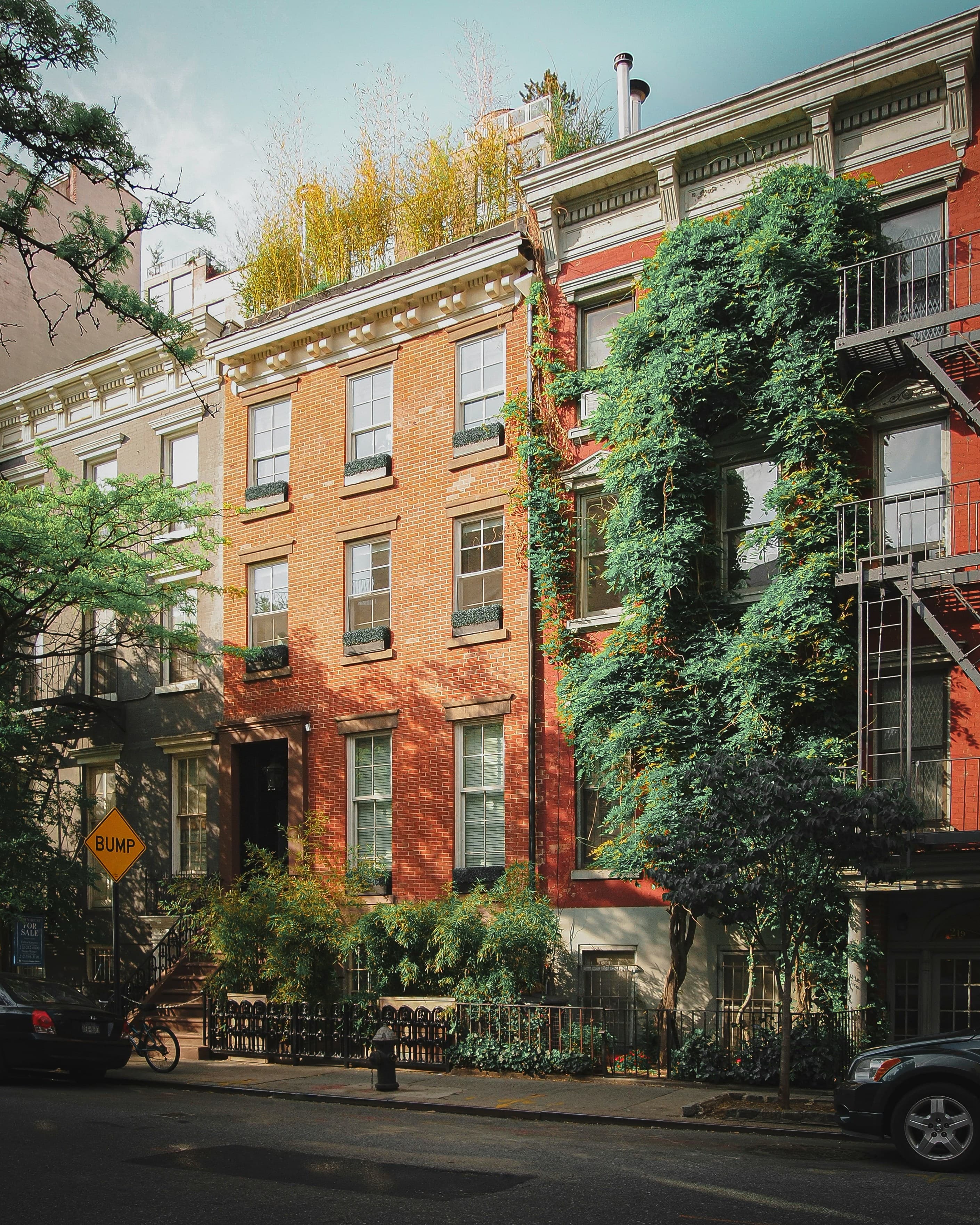
When buyers think about home value, they usually focus on the house.
Square footage.
Updated kitchens.
Finished basements.
A larger backyard.
But one of the most valuable features isn't inside the home at all.
It's what happens when you step outside your front door.
Can you safely walk to a coffee shop?
Take your dog around the neighborhood?
Meet friends for dinner without getting in the car?
Enjoy an evening stroll with your family?
These everyday conveniences influence how people experience a home—and often how desirable it remains over time.
Walkability isn't everything, but it's worth evaluating before you make an offer.
Walkability Means Different Things to Different Buyers
There's no single definition of a "walkable" neighborhood.
For some buyers, it's about being able to walk to restaurants, parks, or shops.
For others, it's simply having pleasant sidewalks and quiet streets for an evening walk.
Ask yourself:
- Do I enjoy walking regularly?
- Will I walk the dog every day?
- Do I want nearby parks?
- Would I use neighborhood trails?
- How often do I want to drive for simple errands?
The right answer depends on your lifestyle.
Sidewalks Matter More Than You Think
A neighborhood may be close to everything—but if it lacks sidewalks, many people simply won't walk.
As you tour the area, notice:
- Continuous sidewalks
- Safe street crossings
- Clearly marked crosswalks
- Well-maintained pavement
- Wheelchair and stroller accessibility
- Street lighting
A pleasant walking environment encourages people to spend time outdoors, which can shape how a neighborhood feels.
Everyday Convenience Adds Value
Imagine your typical Saturday morning.
Can you:
- Walk to get coffee?
- Pick up groceries?
- Visit a local park?
- Meet friends for lunch?
- Grab a forgotten ingredient without driving twenty minutes?
Small conveniences often become some of the biggest quality-of-life improvements after you move in.
Parks and Green Spaces Count Too
Walkability isn't just about businesses.
Access to parks, trails, playgrounds, and community green spaces can make a neighborhood feel far more connected.
Notice whether you can comfortably walk to:
- Parks
- Walking trails
- Community gardens
- Open spaces
- Playgrounds
- Waterfront areas
Even if you don't use them every day, nearby outdoor spaces often enhance the appeal of a neighborhood.
Safety and Comfort Encourage Walking
People are more likely to walk when they feel comfortable doing so.
As you explore, ask yourself:
- Are sidewalks wide enough?
- Do cars generally drive at reasonable speeds?
- Is there adequate lighting?
- Are intersections easy to cross?
- Would I feel comfortable walking here after dinner?
The answers matter just as much as the distance to nearby destinations.
Walkability Can Appeal to Future Buyers
Think beyond your own needs.
If you eventually sell the home, many buyers will evaluate the neighborhood the same way you are today.
Homes in areas where people can easily enjoy parks, restaurants, schools, or neighborhood amenities often attract a broader range of buyers.
Walkability alone won't determine a home's value, but it can make a property more appealing when it's time to sell.
Not Every Great Neighborhood Is Walkable
Some of the country's most desirable neighborhoods require driving almost everywhere.
They may offer:
- Larger lots
- Greater privacy
- Quiet streets
- Scenic views
- Rural settings
If that's what you want, limited walkability isn't a drawback—it's part of the appeal.
The key is matching the neighborhood to your lifestyle rather than chasing a trend.
Try the Walk Yourself
Before making an offer, leave the showing for fifteen minutes.
Walk around.
Notice:
- How the sidewalks feel.
- Whether people are outside.
- How much traffic you encounter.
- If the streets feel inviting.
- Whether you'd enjoy taking this walk every day.
You'll learn far more than you can from a map.
Ask Yourself One Simple Question
Imagine you've lived here for a year.
It's a beautiful Saturday morning.
Would your first instinct be to:
- Grab your keys?
Or...
- Grab your walking shoes?
Your answer says a lot about whether the neighborhood fits the life you want.
Walkability Is About Lifestyle, Not Just Value
It's tempting to think of walkability only in terms of resale value.
But its biggest impact is often much more personal.
The ability to stroll to a park.
Take an evening walk with your spouse.
Walk your dog without getting in the car.
Meet neighbors along the sidewalk.
These everyday moments become part of what makes a house feel like home.
When evaluating a property, don't just ask whether it's beautiful.
Ask whether it supports the way you want to live.
WelcomeIn Helps You Evaluate Life Beyond the Front Door
Beautiful finishes can capture your attention, but the neighborhood shapes your daily routine.
WelcomeIn's Home Partner reminds you to evaluate the surroundings just as carefully as the home itself. It helps you document walkability, neighborhood amenities, and everyday conveniences alongside your observations about the property, making it easier to compare homes based on the lifestyle they offer—not just the features they list.
WelcomeIn's Home Partner reminds you to evaluate the surroundings just as carefully as the home itself. It helps you document walkability, neighborhood amenities, and everyday conveniences alongside your observations about the property, making it easier to compare homes based on the lifestyle they offer—not just the features they list.
Because the best home isn't always the one with the biggest kitchen. It's the one that fits the life you want to live every day.